Joint Replacement
What Is Joint Replacement?
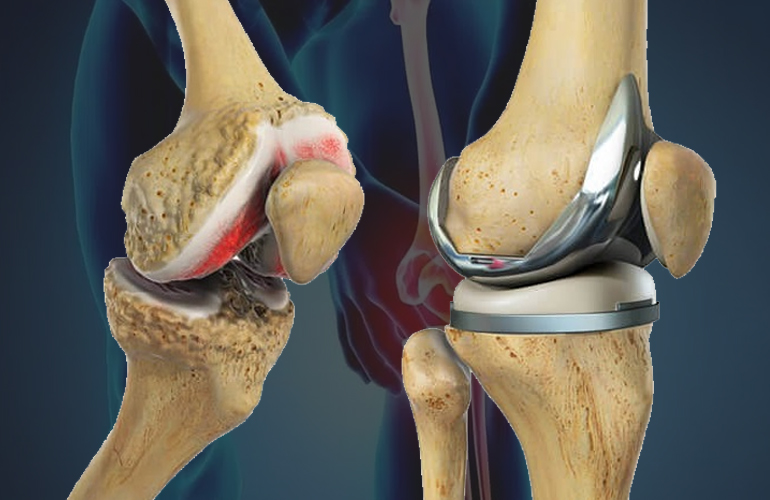
Joint replacement is a surgical procedure. It involves removing a damaged joint and replacing it with an artificial implant. This treatment helps people suffering from chronic joint pain and stiffness. It restores movement and improves quality of life.
Common Types of Joint Replacement
Several joints can be replaced. The most common include:
- Knee Replacement – For severe arthritis or knee injuries
- Hip Replacement – For fractured hips or osteoarthritis
- Shoulder Replacement – To fix worn or damaged shoulder joints
- Elbow and Ankle Replacement – Less common but effective
Each procedure has its own techniques and recovery plan.
Who Needs a Joint Replacement?
People with joint damage that doesn't respond to medication or therapy may qualify. Conditions that lead to replacement include:
- Osteoarthritis
- Rheumatoid arthritis
- Joint deformities
- Severe injuries
- Bone tumors
If pain affects daily tasks like walking or climbing stairs, surgery might be the best option.
Benefits of Joint Replacement Surgery
The advantages are life-changing. Patients often experience:
- Reduced pain
- Improved mobility
- Better sleep and mood
- More independence
- Enhanced quality of life
Most regain their freedom to move without constant discomfort.
Modern Techniques in Joint Replacement
Surgical advances have made joint replacement safer and more effective. Techniques include:
- Minimally invasive surgery – Smaller cuts, quicker recovery
- Computer-assisted navigation – Precision placement of implants
- Robotic-assisted surgery – Better alignment and movement
- Customized implants – Tailored to each patient’s anatomy
These improvements boost accuracy and speed healing.
What to Expect Before Surgery
Before surgery, patients undergo:
- Physical exams and medical history checks
- Blood tests and X-rays
- Pre-surgical instructions
- A meeting with the anesthesia team
Doctors will also discuss risks, benefits, and recovery expectations.
Recovery After Joint Replacement
Recovery time varies, but typically includes:
- Hospital stay for 1–3 days
- Physical therapy to restore strength
- Pain management with medications
- Gradual return to activities over weeks or months
Following instructions ensures a faster and smoother recovery.
How Long Do Artificial Joints Last?
Modern implants last 15 to 20 years or more. Proper care and avoiding high-impact activities extend their life. Some patients may eventually need a revision surgery.
Risks and Complications
Like all surgeries, joint replacement carries risks:
- Infection
- Blood clots
- Implant loosening
- Nerve damage
- Stiffness or instability
Choosing an experienced surgeon reduces these risks significantly.
Living With a Joint Replacement
Most patients return to daily routines. Activities like walking, swimming, and cycling are encouraged. High-impact sports should be avoided. A healthy lifestyle helps maintain joint health.
Conclusion: A New Lease on Life
Joint replacement is more than a procedure—it’s a path to freedom. With the right care and support, patients regain movement, reduce pain, and live fuller lives. Thanks to modern medicine, living without joint pain is now a reality for millions.
Dr. Anurag Varshney

M.B.B.S., M.S. (Ortho),
Senior Orthopedic Surgeon
Ex Consultant Orthopedic Surgeon PGIMER
Ex Assistant Professor RML Hospital, New Delhi