Angiography vs Angioplasty – What is the Difference?
Heart diseases are becoming increasingly common due to modern lifestyles, unhealthy eating habits, stress, and lack of physical activity. When doctors suspect blocked arteries in the heart, they often recommend procedures such as Coronary Angiography and Coronary Angioplasty.
Although these two procedures sound similar and are closely related, they serve very different purposes. Angiography is primarily a diagnostic procedure, while angioplasty is a treatment procedure used to open blocked arteries.
Understanding the difference between angiography and angioplasty can help patients make informed decisions about their heart health and medical treatment.
What is Angiography?
Coronary Angiography is a diagnostic test used to detect blockages or narrowing in the coronary arteries, which supply blood to the heart.
During this procedure, a thin flexible tube called a catheter is inserted into a blood vessel, usually through the wrist or groin. A special dye (contrast material) is then injected into the arteries. This dye allows doctors to clearly see the blood flow in the coronary arteries using X-ray imaging.
Angiography helps doctors identify:
- Blocked arteries
- Narrowed blood vessels
- Reduced blood flow to the heart
- Location and severity of blockages
This procedure is commonly recommended for patients who have symptoms such as chest pain, shortness of breath, or signs of Coronary Artery Disease.
Purpose of Angiography
The main purpose of angiography is diagnosis. It helps doctors determine whether a patient has artery blockages and whether further treatment is required.
What is Angioplasty?
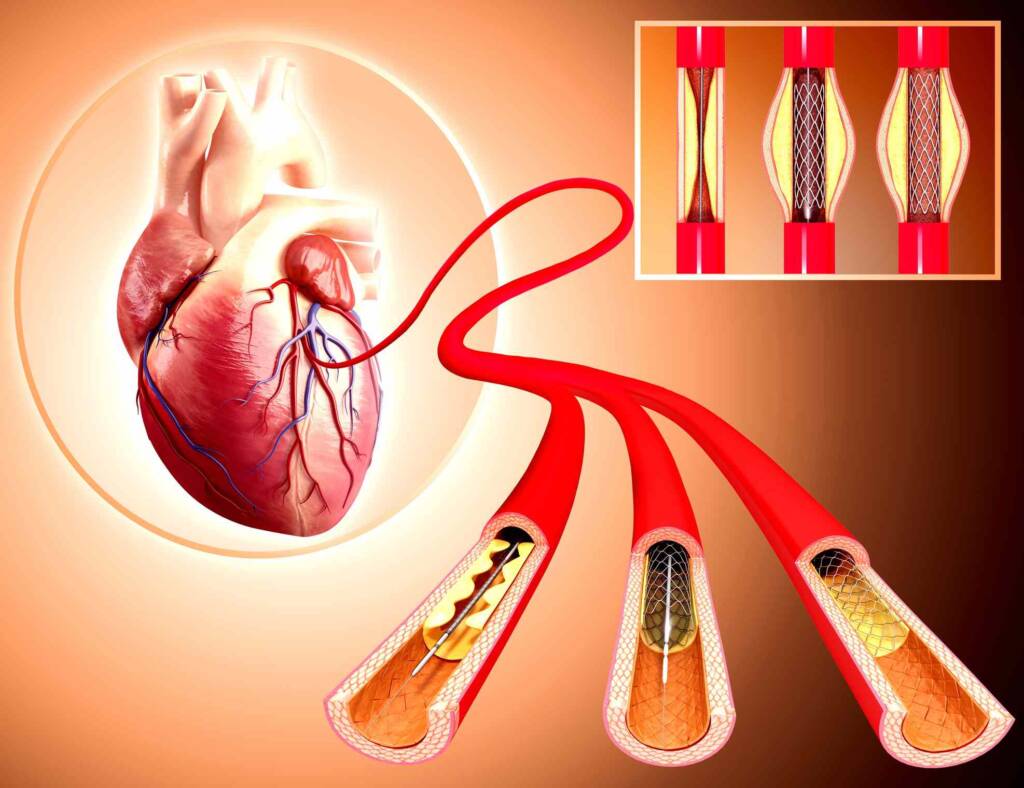
Coronary Angioplasty is a minimally invasive procedure used to treat blocked or narrowed arteries.
If angiography reveals significant blockage in the coronary arteries, doctors may recommend angioplasty to restore normal blood flow.
In this procedure, a catheter with a small balloon at its tip is inserted into the blocked artery. The balloon is then inflated to widen the artery and improve blood flow. In most cases, a small mesh tube called a stent is placed inside the artery to keep it open permanently.
Angioplasty is often performed to treat conditions such as:
- Severe artery blockage
- Reduced blood supply to the heart
- Risk of Heart Attack
Purpose of Angioplasty
The primary purpose of angioplasty is treatment. It helps restore proper blood flow to the heart and reduces symptoms like chest pain.
Key Differences Between Angiography and Angioplasty
| Feature | Angiography | Angioplasty |
|---|---|---|
| Purpose | Diagnostic procedure | Treatment procedure |
| Goal | Detect artery blockages | Open blocked arteries |
| Procedure Type | Imaging test | Interventional treatment |
| Use of Stent | No stent used | Stent usually inserted |
| Outcome | Identifies the problem | Fixes the blockage |
In simple terms, angiography finds the blockage, while angioplasty treats it.
When Do Doctors Recommend These Procedures?
Doctors may recommend angiography if a patient experiences symptoms such as:
- Chest pain or pressure
- Shortness of breath
- Unexplained fatigue
- Abnormal ECG or stress test results
If the angiography confirms significant blockage in the arteries, angioplasty may be performed immediately or scheduled later depending on the patient's condition.
Benefits of Angiography
Angiography provides valuable information about the heart and blood vessels. Some of its benefits include:
- Accurate detection of blocked arteries
- Identification of the location and severity of blockage
- Helps doctors plan the most appropriate treatment
- Guides decisions for angioplasty or bypass surgery
It is considered the gold standard test for diagnosing coronary artery problems.
Benefits of Angioplasty
Angioplasty offers several advantages in treating blocked arteries:
- Restores normal blood flow to the heart
- Relieves symptoms such as chest pain
- Reduces the risk of heart attack
- Minimally invasive compared to open-heart surgery
- Faster recovery time
For many patients, angioplasty can significantly improve quality of life.
Are These Procedures Safe?
Both angiography and angioplasty are commonly performed and generally safe procedures when conducted by experienced cardiologists. However, like any medical procedure, they may carry small risks such as bleeding, infection, or allergic reaction to the contrast dye.
Your doctor will evaluate your overall health and medical history before recommending these procedures.
Recovery After the Procedure
Recovery time varies depending on the type of procedure performed.
After angiography, most patients can return home the same day and resume normal activities within a day or two.
After angioplasty, patients may need to stay in the hospital for observation, especially if a stent has been placed. Doctors usually recommend lifestyle changes, medications, and regular follow-up visits to maintain heart health.
Dr. Anurag Varshney

M.B.B.S., M.S. (Ortho),
Senior Orthopedic Surgeon
Ex Consultant Orthopedic Surgeon PGIMER
Ex Assistant Professor RML Hospital, New Delhi