When Do You Need a Pacemaker? Complete Patient Guide
The human heart works continuously to pump blood throughout the body. This process is controlled by electrical signals that regulate the heart’s rhythm and ensure it beats properly. However, when these electrical signals become irregular or slow, the heart may not function efficiently. In such cases, doctors may recommend a Cardiac Pacemaker.
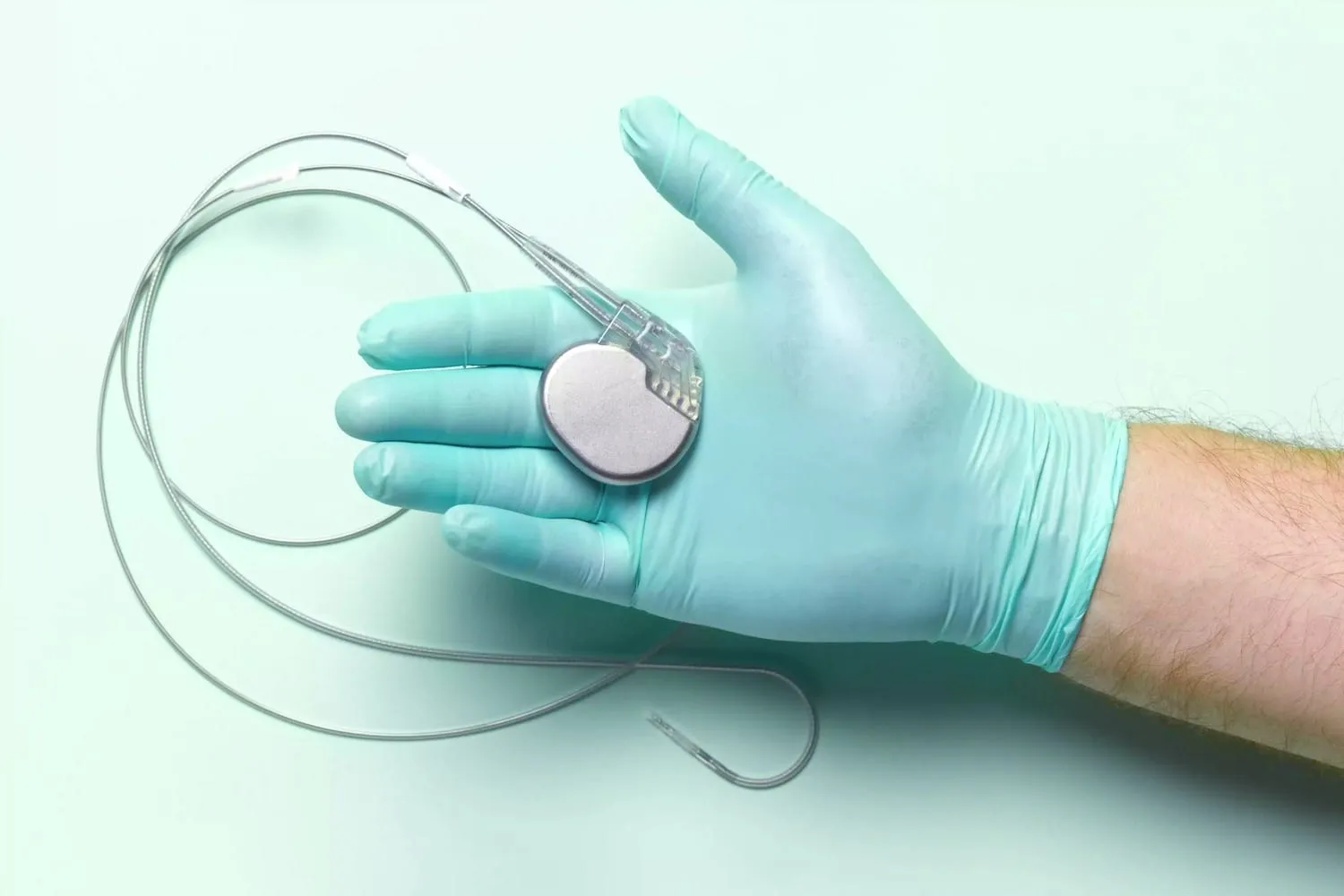
A pacemaker is a small medical device implanted under the skin to help control abnormal heart rhythms. It sends electrical impulses to the heart to maintain a normal and steady heartbeat. Pacemakers have helped millions of patients live healthier and more active lives.
In this guide, we will explain when a pacemaker is needed, how it works, the conditions it treats, and what patients should expect before and after the procedure.
What is a Pacemaker?
A Cardiac Pacemaker is a small electronic device that helps regulate the heartbeat. It is usually implanted under the skin near the collarbone and connected to the heart through thin wires called leads.
The pacemaker monitors the heart's electrical activity and sends electrical signals whenever the heartbeat becomes too slow or irregular. This helps maintain a steady and normal heart rhythm.
Pacemakers are commonly recommended for patients suffering from abnormal heart rhythms known as Arrhythmia.
How Does a Pacemaker Work?
The pacemaker continuously monitors the heart's electrical activity. If it detects that the heart is beating too slowly or irregularly, it sends small electrical impulses to stimulate the heart muscle.
These signals help the heart maintain a regular rhythm and ensure that the body receives enough oxygen-rich blood.
Modern pacemakers are highly advanced and can adjust the heart rate according to the body's activity level, such as during exercise or rest.
When Do You Need a Pacemaker?
Doctors may recommend a pacemaker when the heart's natural electrical system is not functioning properly. Some common conditions that may require a pacemaker include:
- Slow Heart Rate (Bradycardia)
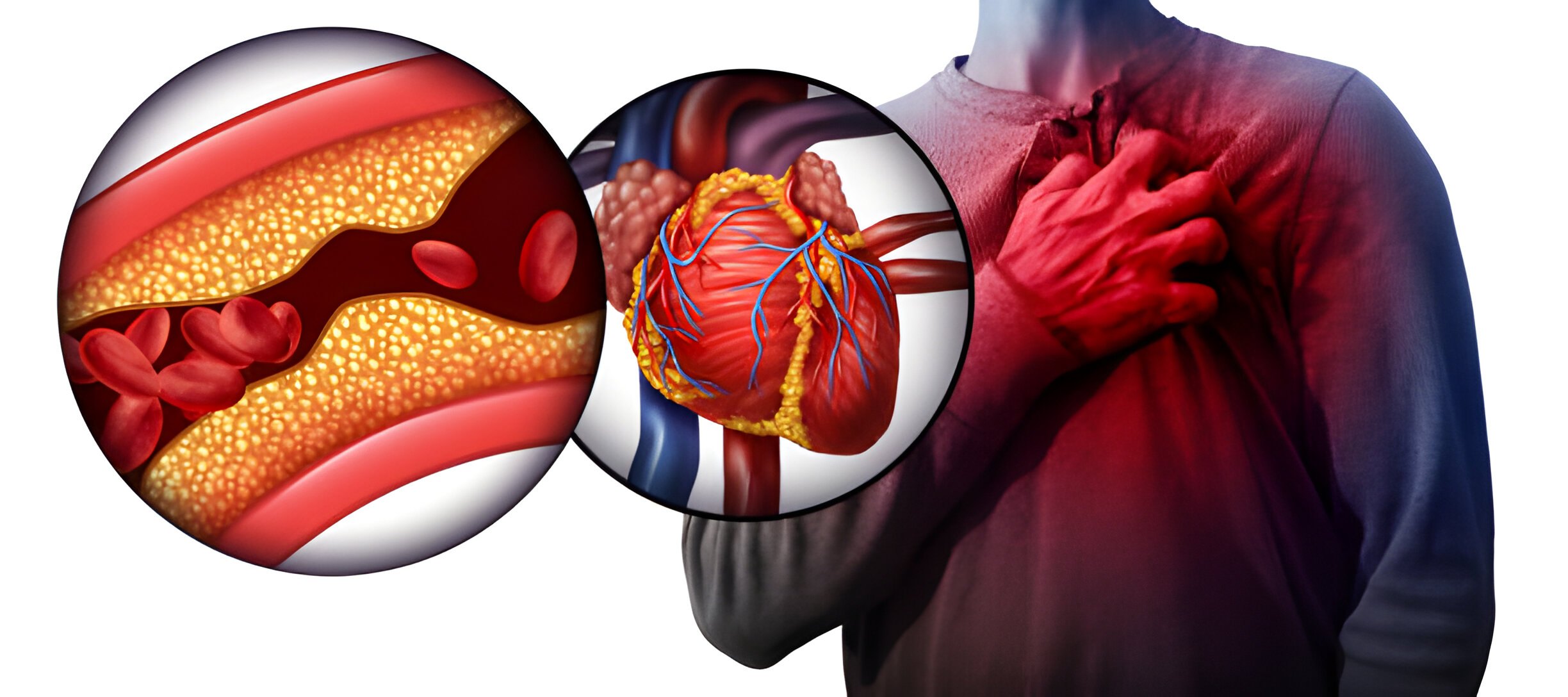
One of the most common reasons for pacemaker implantation is Bradycardia, a condition where the heart beats too slowly. When the heart rate becomes too slow, the body may not receive enough blood and oxygen.
Symptoms may include fatigue, dizziness, fainting, and shortness of breath. - Heart Block
Another major reason for pacemaker implantation is Heart Block, a condition in which the electrical signals that control the heartbeat are partially or completely blocked.
Heart block can cause the heart to beat irregularly or too slowly, which may lead to dizziness, fainting, or chest discomfort. - Irregular Heart Rhythms
Certain types of Arrhythmia may require pacemaker support. These abnormal rhythms can disrupt the heart's ability to pump blood effectively.
Pacemakers help stabilize the rhythm and maintain a consistent heartbeat. - Fainting Episodes (Syncope)
Repeated fainting or unexplained loss of consciousness may sometimes be related to abnormal heart rhythms. A pacemaker can help prevent these episodes by ensuring the heart beats regularly. - Heart Failure
In some cases, patients with Heart Failure may benefit from specialized pacemakers that help coordinate the heart’s pumping action. This type of therapy is called cardiac resynchronization therapy (CRT).
Symptoms That May Indicate You Need a Pacemaker
Patients who may require a pacemaker often experience symptoms related to slow or irregular heartbeats. These may include:
- Persistent fatigue
- Dizziness or lightheadedness
- Fainting or near-fainting episodes
- Shortness of breath
- Chest discomfort
- Confusion or memory problems
- Slow pulse rate
If these symptoms occur frequently, it is important to consult a cardiologist for proper evaluation.
How is the Need for a Pacemaker Diagnosed?
Doctors use several diagnostic tests to determine whether a pacemaker is required. These tests help assess heart rhythm and electrical activity.
Common tests include:
- Electrocardiogram (ECG) to measure heart rhythm
- Holter monitoring to track heart activity over 24–48 hours
- Echocardiogram to evaluate heart structure and function
- Stress test to assess heart performance during physical activity
These tests help doctors identify abnormalities and determine the best treatment plan.
Pacemaker Implantation Procedure
Pacemaker implantation is a minimally invasive procedure usually performed under local anesthesia.
During the procedure:
- A small incision is made near the collarbone.
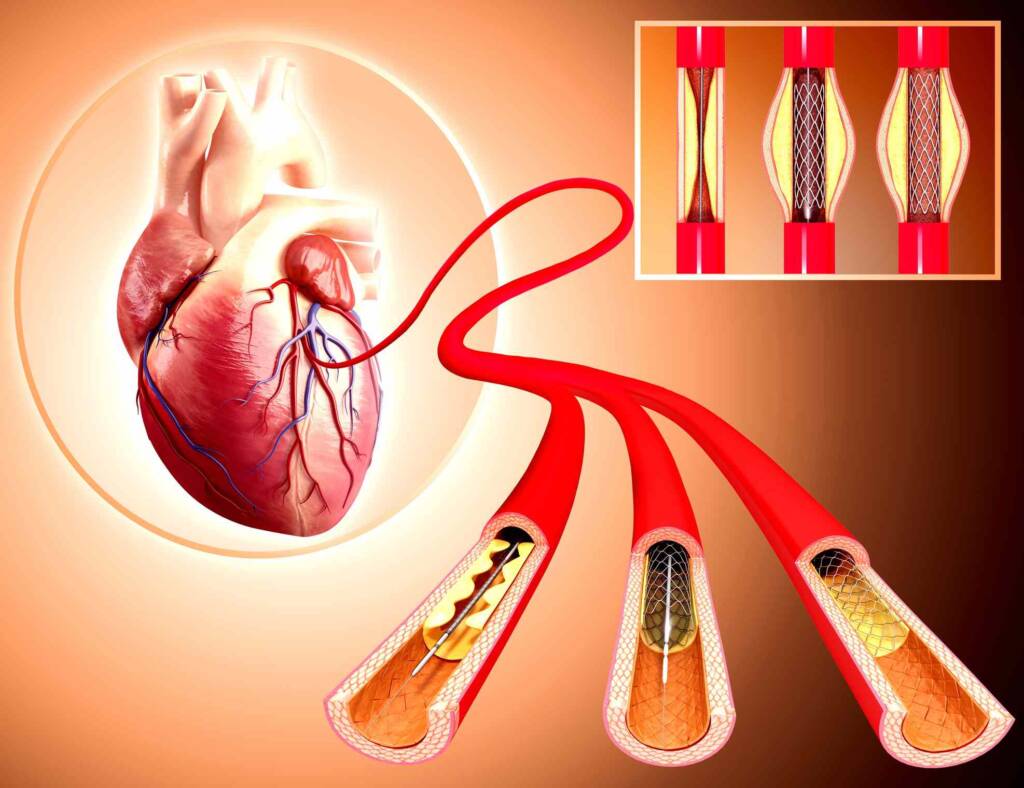
- Thin wires (leads) are inserted through a vein and guided into the heart.
- The pacemaker device is placed under the skin.
- The leads are connected to the device, and the pacemaker is programmed to regulate the heartbeat.
The procedure typically takes one to two hours, and most patients can return home within a day.
Life After Pacemaker Implantation
Most patients experience significant improvement in their symptoms after pacemaker implantation. The device helps maintain a stable heart rhythm and improves blood circulation.
Patients are usually advised to:
- Attend regular follow-up appointments
- Avoid heavy lifting for a few weeks after the procedure
- Inform doctors about the pacemaker before medical tests
- Maintain a heart-healthy lifestyle
Modern pacemakers are very reliable and can last between 8 to 15 years before the battery needs replacement.
Is Pacemaker Implantation Safe?
Pacemaker implantation is considered a safe and commonly performed procedure. Complications are rare but may include infection, bleeding, or minor discomfort at the implant site.
With proper care and regular monitoring, most patients live normal and active lives with a pacemaker.
Dr. Anurag Varshney

M.B.B.S., M.S. (Ortho),
Senior Orthopedic Surgeon
Ex Consultant Orthopedic Surgeon PGIMER
Ex Assistant Professor RML Hospital, New Delhi